
Environmental Focus
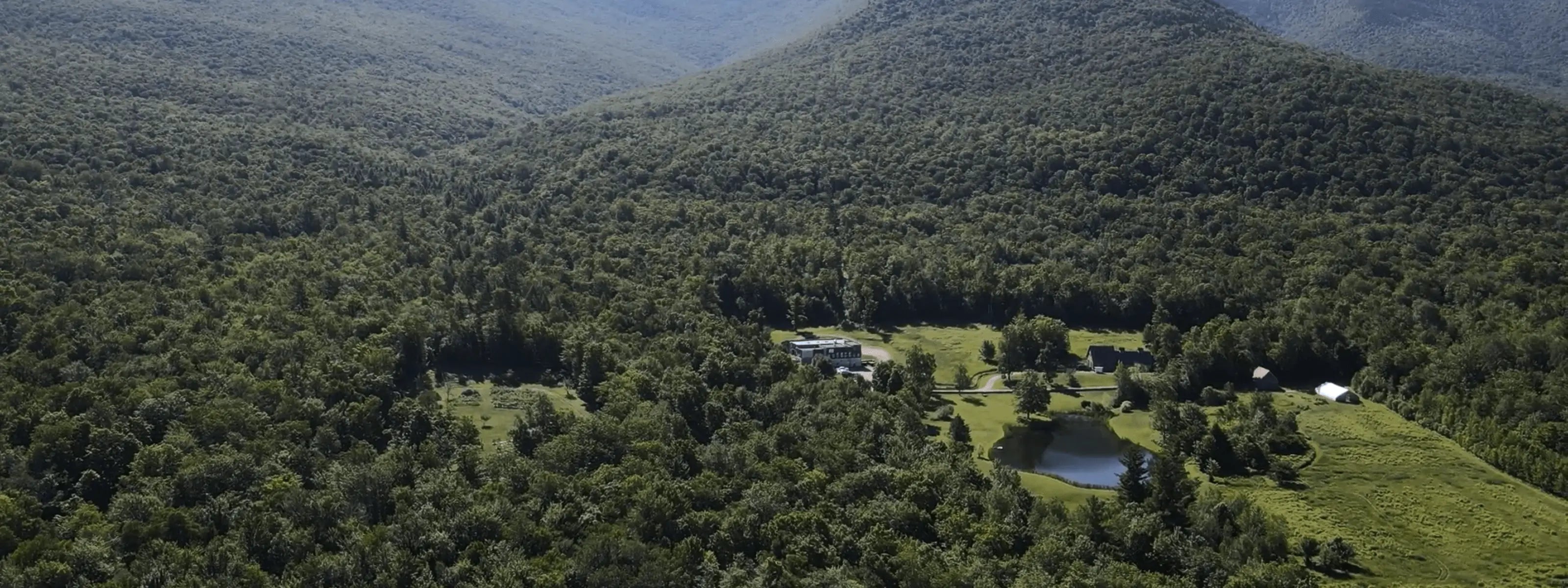
At Runamok, we believe protecting the land is of utmost importance. Maple is a gift from nature and we endeavor to show our appreciation by protecting the natural world that is a foundation for it. Good maple syrup depends on healthy trees and so we protect the soil, encourage biodiversity, and treat the land we work on gently.
We aim to be not only good environmental stewards of our land but also for the planet. Because of our efforts, we are certified organic by the Northeastern Organic Farmers Association and Bird Friendly Maple by the National Audubon Society.

Sugaring + Sustainability
The Forest
We take many steps to make our company environmentally sustainable, but the biggest impact happens in the sugarbush itself. Our organic certification requires us to manage for biodiversity, but we would do it anyway because it results in healthier trees. The sugarbush serves as habitat for everything that walks, flies, burrows, and crawls in a northeastern forest, and we are sensitive to sharing space with a flourishing array of flora and fauna. We love that we have a working landscape that creates not only one of the finest regional ingredients, but also a thriving ecology and a natural air filter that is tipping the carbon ratio in the right direction.

Reverse Osmosis
Reverse osmosis (RO) is now widely adopted in the maple industry and we have been using it from the start. When sap comes into the sugarhouse, the sugar content is between 1% - 3%. In order to boil it more efficiently, we run it through the ROs, which remove 90% of the water, leaving behind concentrated sap. Boiling the concentrated sap uses much less energy, while still making an excellent product.
In fact, Proctor Maple Research did a study nearly ten years ago in which they had experts taste syrup made with regular sap and concentrated sap. According to Tim Perkins, "The major finding was that the taste testers weren't able to distinguish between the two types. They liked them equally well."

Sustainability in Production
Solar Panels
When we first moved into our facility in Fairfax, the building needed a few repairs, one of which was the roof. Since we were doing construction up there anyway, it seemed like a good opportunity to put in solar panels. We installed the maximum amount of panels that the roof could handle and while it doesn’t meet all of our energy needs, it offsets our carbon consumption considerably. You can learn more about it in this video.
Recycling: Cardboard
Every day, cardboard comes into the plant in the form of boxes and packaging for the bottles we use for our syrup. We used to break the cardboard down and send it out to a recycling facility. Meanwhile, we would buy rolls of new paper that we sent through a machine to form into protective packaging for outgoing shipments. It seemed we could make this whole process more efficient and also save a few trees. So we purchased a machine that cuts and forms the cardboard into packaging material that we then use to cushion outgoing shipments.
Recycling is great, but still requires energy to transport the materials, plus processing to turn it into something else. We cut out the middle step and now just recycle/repurpose on site. With this machine, we reduced our need for new materials and cut down on the necessity to haul away old ones. Plus, it’s super cool. Check out this video here.
Upcycling: Barrels
We also make sure that the barrels we use for barrel-aged maple find a good home. Many are sold back to distillers or brewers. Some find their way to furniture makers. And a couple have ended up on our front walkway:


Composting
We have a company that picks up food scraps from the lunch room and brings them to a facility where they are turned into valuable compost. We also separate paper towels for him to add to the pile (an excellent source of carbon for those of you who are compost nerds like us.) Hand-washing is a regular part of our protocol in the production area, so we produce a good amount of paper towels daily. Knowing the paper becomes a valuable resource instead of waste hits our tree-hugging happy spot.
